Energy-Efficient Homes Save Lives: The Ultimate Guide to Resilient, Climate-Ready Living
Why Energy-Efficient Homes Are a Lifeline in Extreme Weather
We are entering an era where extreme weather events—winter storms, heat waves, and grid failures—are no longer rare disruptions but recurring realities. In this environment, energy-efficient homes are not merely cost-saving investments; they are critical infrastructures that protect lives.
By optimizing insulation, reducing energy demand, and integrating resilient technologies, we create homes that maintain safe indoor temperatures even when external systems fail. This guide explores how energy-efficient homes directly enhance survival, safety, and long-term sustainability.
How Energy-Efficient Homes Protect Against Extreme Cold
Thermal Retention and Passive Heat Survival
Energy-efficient homes are designed to retain heat for extended periods. Through high-performance insulation, airtight construction, and advanced window systems, indoor temperatures decline much more slowly during power outages.
Key features include:
-
High R-value insulation in walls, roofs, and floors
-
Triple-glazed windows with low-emissivity coatings
-
Thermal bridge elimination to prevent heat leakage
-
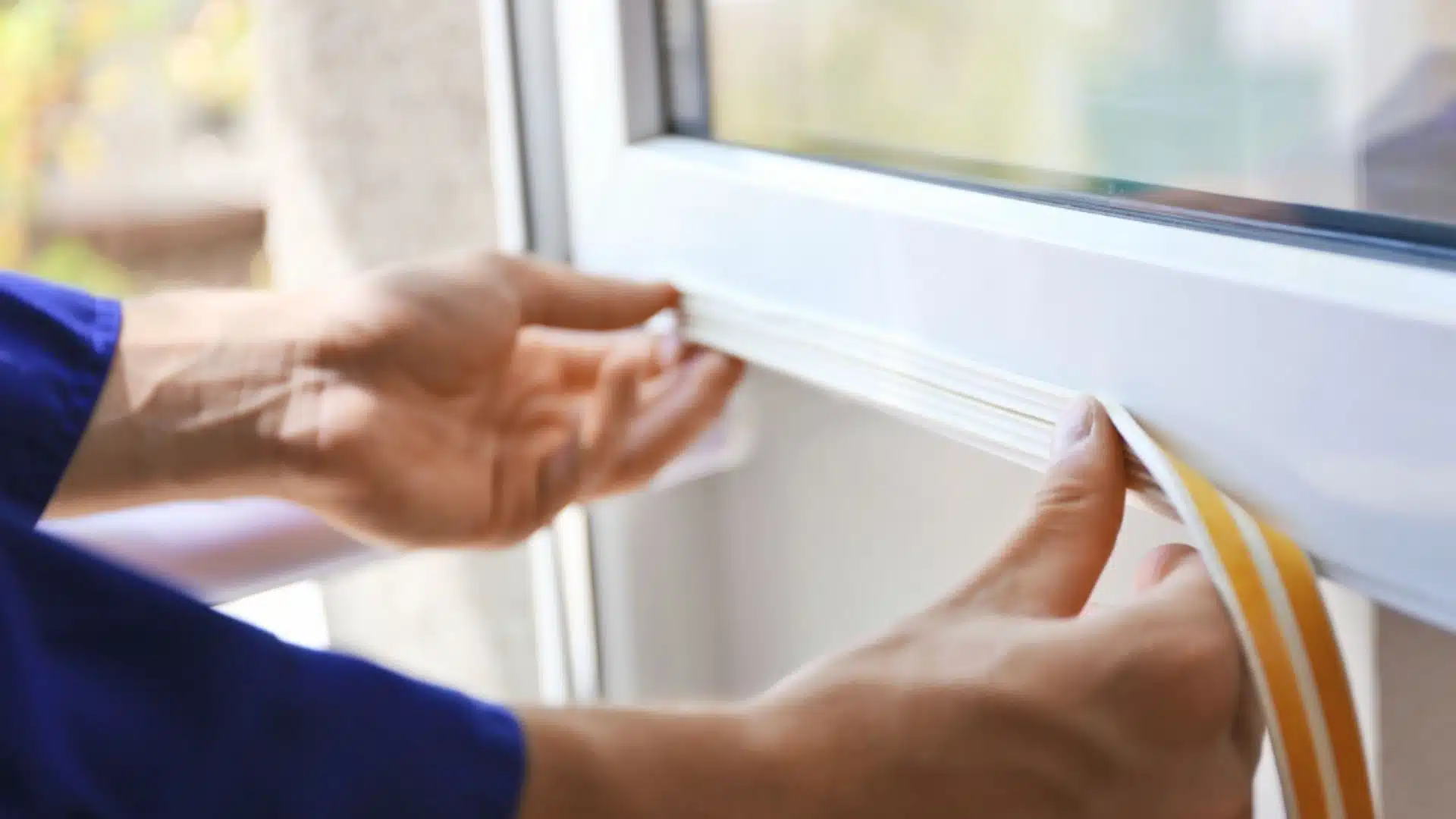
Airtight envelopes reducing uncontrolled air exchange
In sub-zero conditions, these features can maintain livable temperatures for days, significantly reducing the risk of hypothermia.
Reduced Dependency on External Energy Systems
Efficient homes require less energy to stay warm. This means:
-
Smaller heating systems suffice
-
Backup systems (like batteries or generators) last longer
-
Occupants remain safer during grid outages
How Energy-Efficient Homes Prevent Heat-Related Illness
Passive Cooling and Heat Resistance
During heat waves, energy-efficient homes act as thermal shields. They block external heat and maintain cooler indoor conditions.
Critical design elements include:
-
Reflective roofing materials to deflect solar radiation
-
Advanced insulation to slow heat transfer
-
Shading systems such as overhangs and blinds
-
Ventilation strategies that promote airflow
These features reduce indoor temperature spikes, lowering the risk of heat exhaustion and heatstroke.
Indoor Comfort Without Overloading the Grid
Efficient homes reduce reliance on air conditioning, especially during peak demand. This prevents:
-
Grid overloads
-
Blackouts during extreme heat
-
Excessive energy costs
The Role of Energy Efficiency in Power Outage Resilience
Energy Storage and Load Reduction
Energy-efficient homes pair exceptionally well with renewable energy systems and battery storage. Because they consume less energy, stored power lasts significantly longer.
Benefits include:
-
Extended operation of critical appliances
-
Reliable lighting, refrigeration, and communication
-
Reduced vulnerability during prolonged outages
Microgrid and Off-Grid Capability
When combined with solar panels and battery systems, efficient homes can function independently from the main grid.
This creates:
-
Self-sustaining energy ecosystems
-
Increased resilience during disasters
-
Long-term energy security
Health Benefits of Energy-Efficient Homes
Improved Indoor Air Quality
Efficient homes often incorporate advanced ventilation systems that filter and circulate clean air.
Advantages include:
-
Reduced allergens and pollutants
-
Controlled humidity levels
-
Lower risk of respiratory issues
Stable Indoor Temperatures
Consistent indoor climates reduce stress on the human body, especially for vulnerable populations such as:
-
Elderly individuals
-
Children
-
People with chronic illnesses
Economic Advantages That Reinforce Safety
Lower Energy Costs
Energy-efficient homes significantly reduce utility bills, enabling households to:
-
Allocate resources to emergency preparedness
-
Invest in backup systems
-
Maintain financial stability during crises
Increased Property Value and Longevity
Homes built or upgraded for efficiency:
-
Retain higher market value
-
Require less maintenance
-
Offer long-term durability against climate stress
Key Technologies That Make Homes Energy-Efficient and Resilient
1. High-Performance Building Envelope
-
Insulation, airtightness, and advanced windows form the foundation of efficiency.
2. Smart Energy Management Systems
-
Automated controls optimize heating, cooling, and energy usage.
3. Renewable Energy Integration
-
Solar panels reduce dependency on external energy sources.
4. Battery Storage Solutions
-
Store excess energy for use during outages.
5. Heat Pumps and Efficient HVAC Systems
-
Provide heating and cooling with minimal energy consumption.
Steps to Transform Any Home into an Energy-Efficient Safe Haven
Upgrade Insulation and Seal Air Leaks
-
Prioritize attic, walls, and basements
-
Use professional air sealing techniques
Install Energy-Efficient Windows
-
Replace outdated single-pane windows
-
Use triple glazing where possible
Integrate Renewable Energy Systems
-
Solar panels combined with battery storage
Modernize Heating and Cooling Systems
-
Replace outdated systems with heat pumps
Implement Smart Controls
-
Use programmable thermostats and energy monitoring
The Future of Housing: Climate-Resilient and Energy-Independent
We are moving toward a future where homes are no longer passive structures but active systems designed for survival and efficiency. Energy-efficient homes represent the intersection of sustainability, safety, and economic intelligence.
By investing in these technologies and design principles, we are not only reducing energy consumption—we are safeguarding lives against the growing threats of climate extremes.
Conclusion: Energy Efficiency Is No Longer Optional—It Is Essential
Energy-efficient homes provide more than comfort and savings. They are a critical defense mechanism against extreme weather events, ensuring safety during both freezing winters and scorching summers.
We must prioritize efficiency in every aspect of home design and renovation. The result is a resilient living environment capable of withstanding the challenges of a changing world while protecting what matters most: human life.